UAE Tax, in Plain Language
Short, practical guides to the questions our clients ask most. Written by the principals who do the work, not a content team. General information only: for advice on your own position, start a conversation.
 Guide · E-Invoicing
The UBL 2.1 structure behind every UAE e-invoice: the identifiers that make it a UAE document, where the TRN, TIN, AED tax currency and eight-flag code sit, and why the format is how you read a rejection.
Read the guide → FTA Watch · Monthly
Where e-invoicing stands ahead of the 30 October appointment deadline, the amended Tax Procedures Law now in effect, the first CT filing season, and the dates inside planning range.
Read the note →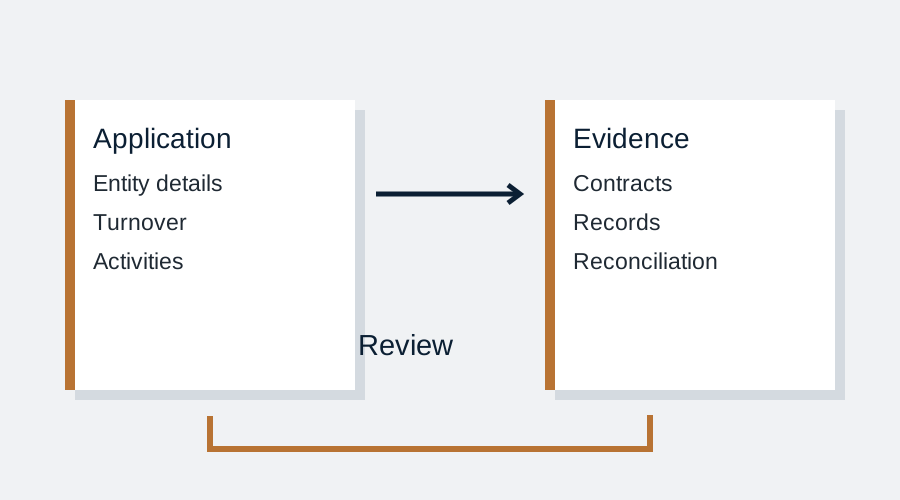 Guide · VAT
Why applications bounce from EmaraTax, what to reconcile before resubmitting, and the 30-day clock that keeps running while the file sits in comments.
Read the guide → Guide · Corporate Tax
The 30 September 2026 deadline, the elections that expire with it, the audited statements threshold, and the disclosure schedule that puts related-party dealings on the record.
Read the guide → Guide · FTA Practice
What the ten-business-day notice period is for, the disclosure window that narrows when the notice lands, and the first-week mistakes that shape the whole audit.
Read the guide →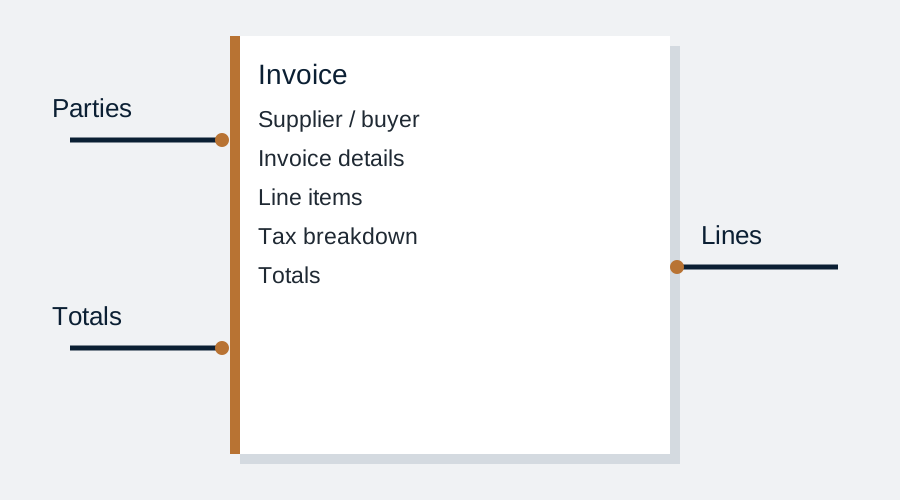 Guide · E-Invoicing
The mandatory field list read as a diagnostic: the TIN endpoint, the eight-flag transaction code, the buyer data you do not hold, and why the gaps are your project plan.
Read the guide →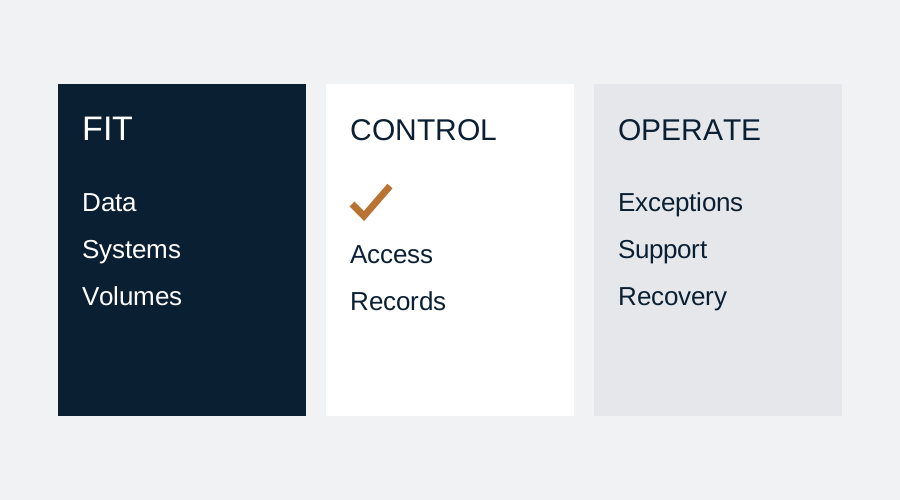 Guide · E-Invoicing
Current accreditation, integration fit, exception ownership, data access and the full operating cost. A provider-selection framework updated for the October 2026 changes.
Read the guide →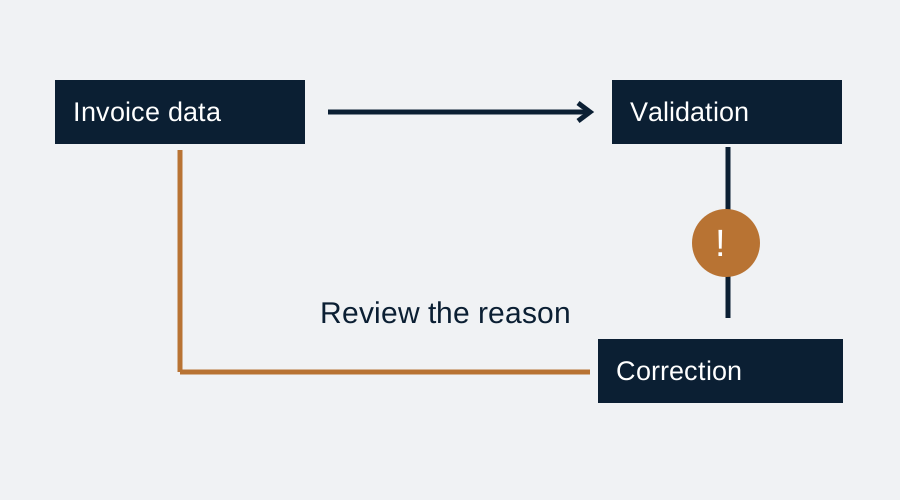 Commentary · E-Invoicing
Where invoices actually fail in the five-corner model, the PINT AE rules behind the red status, the Cabinet Decision No. 106 penalties, and why recurring rejection is a data problem, not an IT one.
Read the commentary →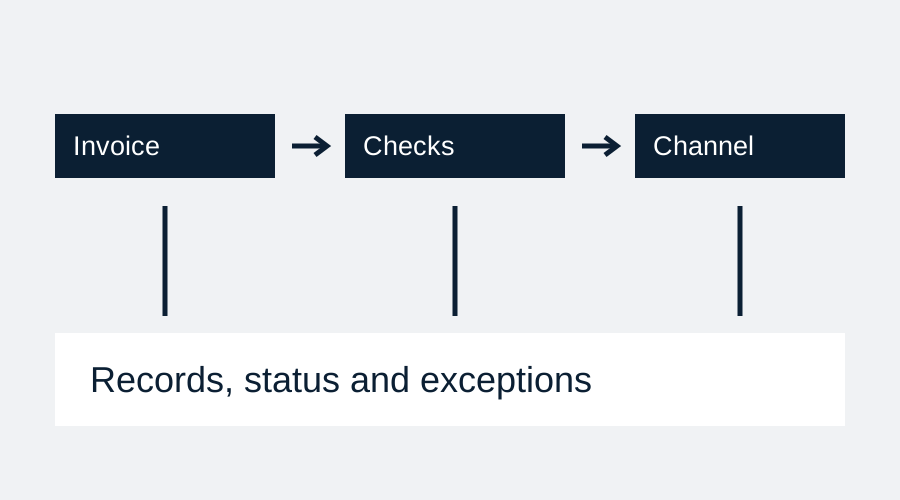 Commentary · E-Invoicing
The 5-corner model, the phased deadlines to 2027, the monthly penalties, and the point most businesses miss: going live with old VAT logic automates the disclosure of it.
Read the commentary →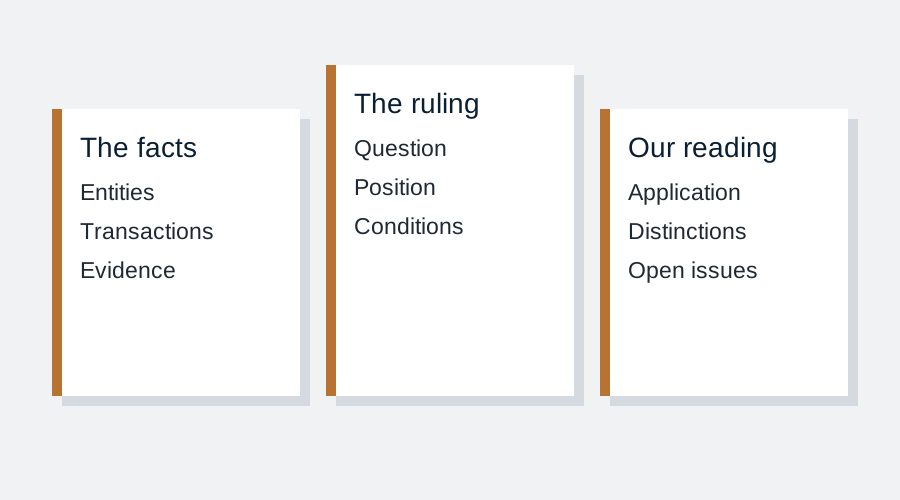 Commentary · Corporate Tax
Ruling-by-ruling analysis of the private clarifications: the PE tests, the accounting-first principle, a broader Participation Exemption, and what each answer predicts about the next one.
Read the commentary → Commentary · Free Zones
How the authority decomposes substance, where the branch trap sits, what the Beneficial Recipient test demands in evidence, and the file we now build because of it.
Read the commentary →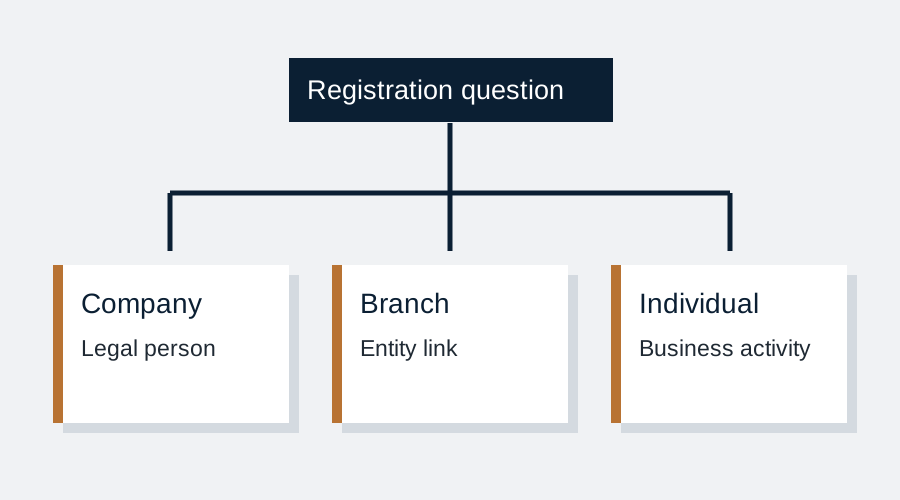 Commentary · Corporate Tax
Six cases the FTA has answered, one principle that predicts them all: registration follows legal personality and presence, not profitability or even taxability.
Read the commentary →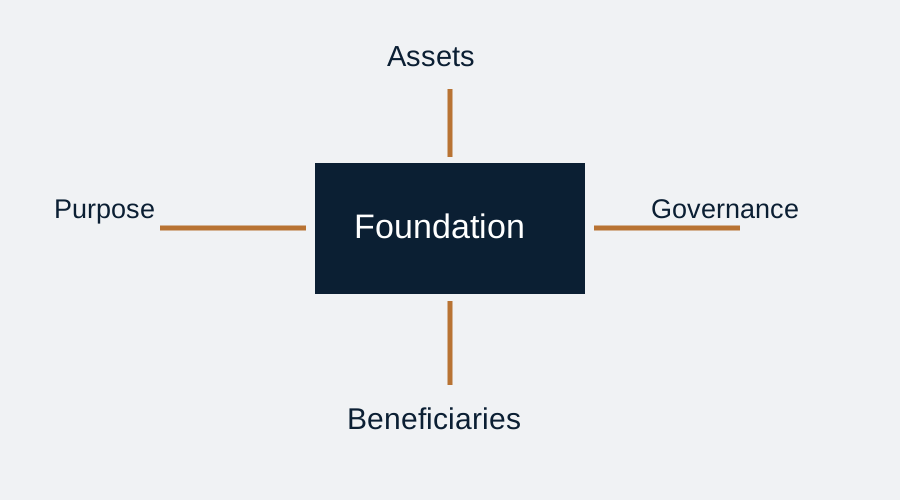 Commentary · Private Wealth
The symmetry principle behind the Family Foundation rules, a worked two-foundation structure, the handshake-partnership trap, and the fund rulings family offices should read.
Read the commentary → Commentary · Real Estate
Transitional relief for property, ruling by ruling: the inventory answer that saved developers, the granularity choice, the no-loss rule, and a worked AED 4.5 million example.
Read the commentary → Guide · Structuring
Both register, both file, neither is automatically tax free. The customer-location question that decides most cases, with a worked comparison at real numbers.
Read the guide →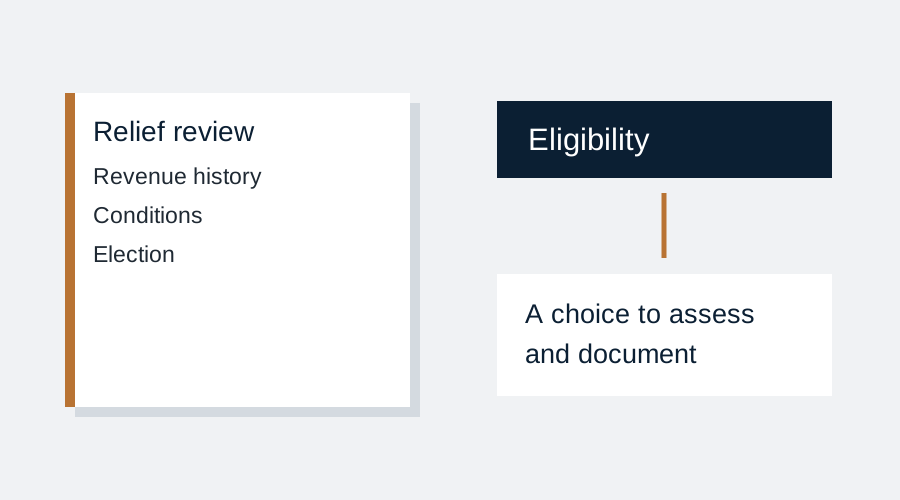 Guide · SMEs
An election, not an exemption, and it expires with periods ending 31 December 2026. When claiming it saves AED 20,000 and when it burns a loss worth more.
Read the guide → Reference
QFZP, de minimis, Beneficial Recipient, reverse charge: the defined terms that decide real outcomes, in plain English, linked to our deeper coverage.
Open the glossary →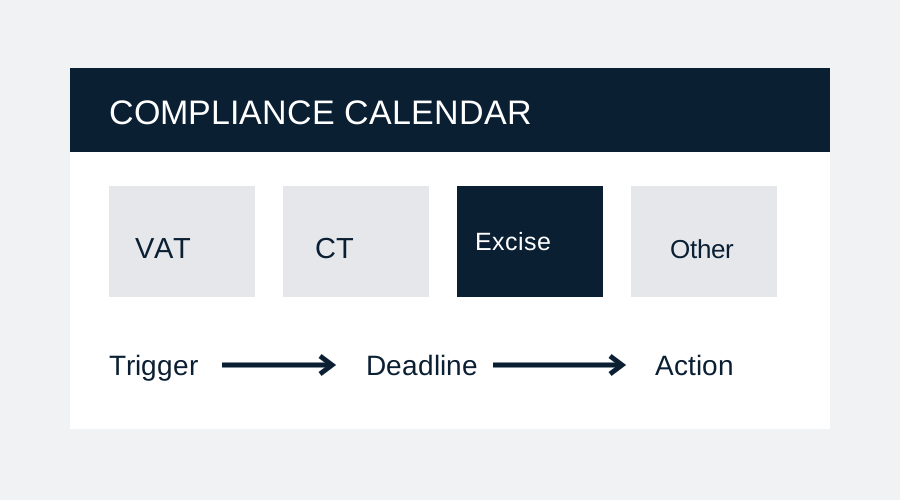 Reference
Every clock the regime runs on: the nine-month return runway, the 28-day VAT cycle, the 20-day disclosure window, and the clocks people forget.
Open the calendar →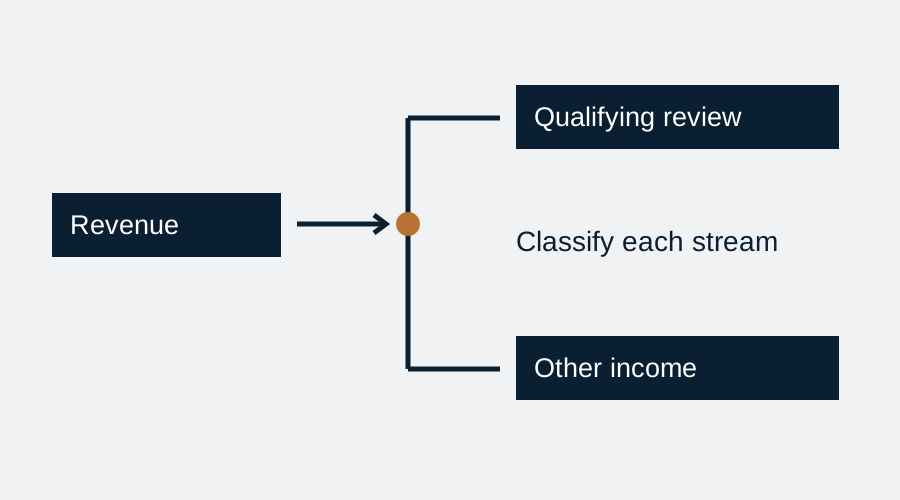 Corporate Tax
A free zone licence is not a 0% rate. The conditions that actually decide it, the de minimis trap, and what a defensible position looks like.
Read the guide →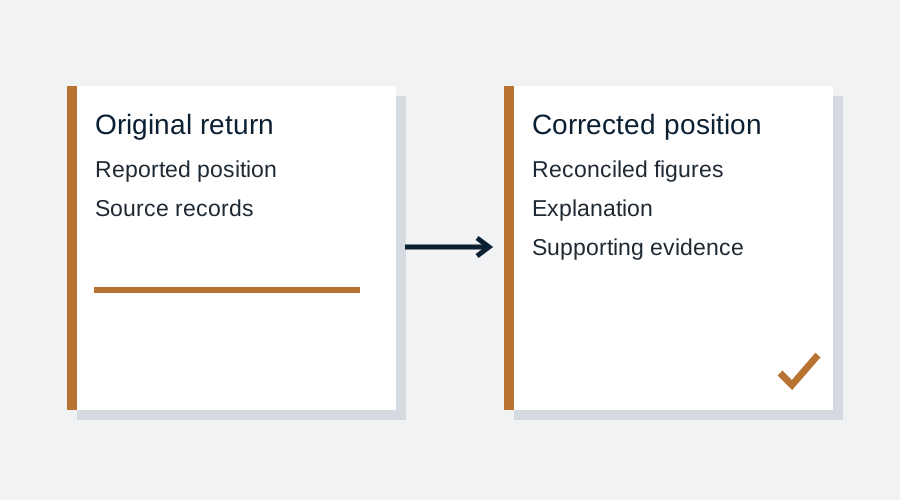 VAT & Corporate Tax
When a correction is mandatory, why early disclosure is cheaper, and how to file one that closes questions instead of opening them.
Read the guide →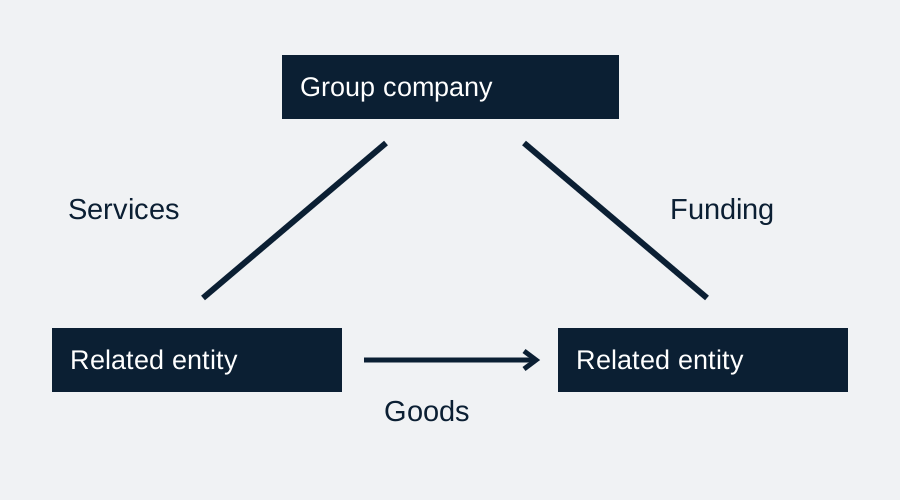 Corporate Tax
The arm's length principle applies to family groups and sister companies too. Where it bites, and the minimum paper an SME should hold.
Read the guide →A question these guides did not answer?
Ask it directly. A principal reads every message, and the first conversation costs nothing.
Begin the Conversation →